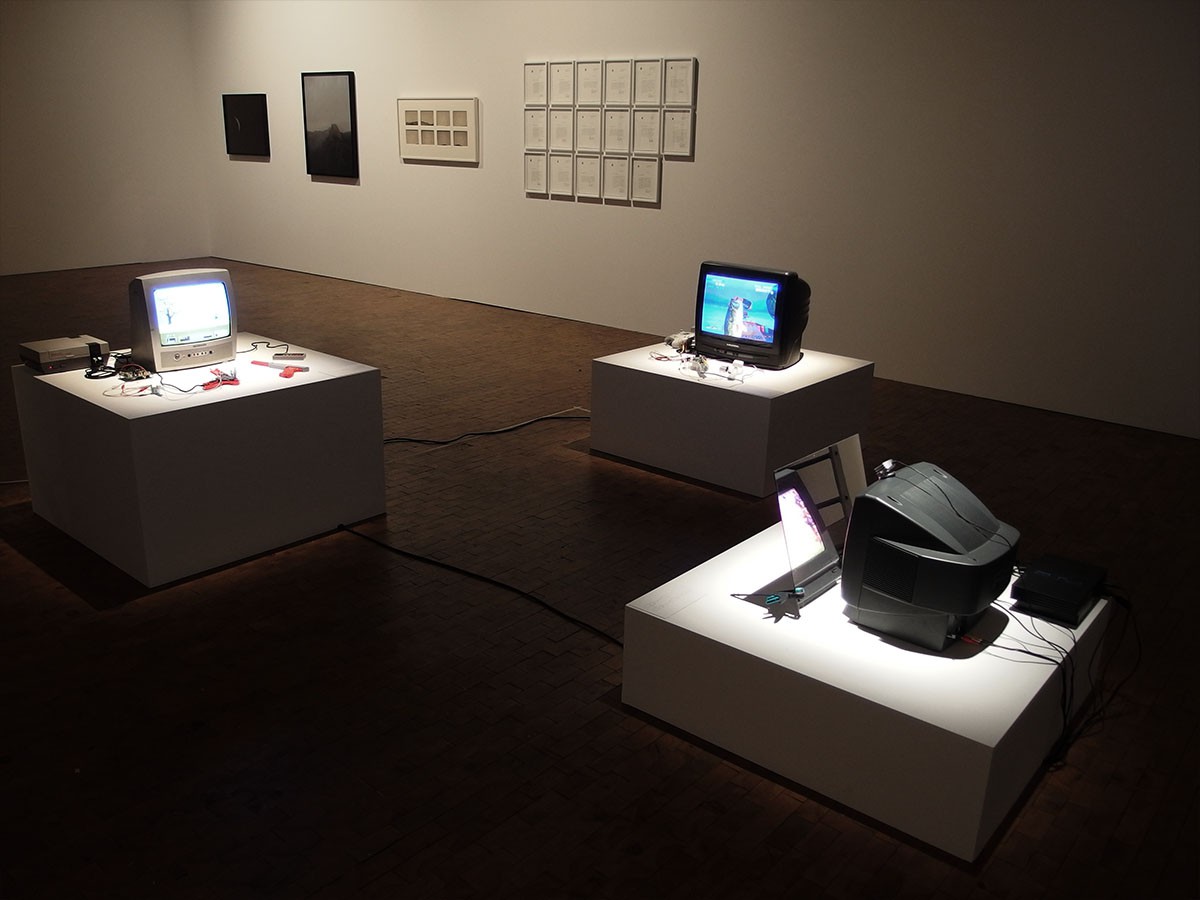
Paidia Laboratory: feedback, 2014
Installation together with Paidia Institute documentation: Schwindel der Wirklichkeit, Akademie der Künste, 2014
Installation together with Paidia Institute documentation: Schwindel der Wirklichkeit, Akademie der Künste, 2014
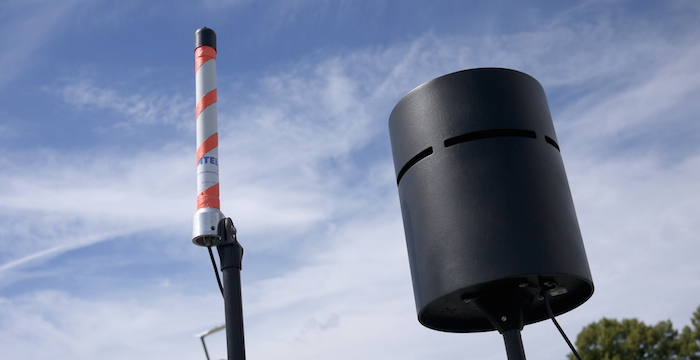
The Solar Wind Aeroscope is an artistic instrument dealing with atmospheric conditions that depend on “space weather:” a storm of electromagnetic particles from the sun that constantly affects our atmosphere. It uses an Internet connection (in the gallery) or a radio receiver (in the wild) to tap into a global network of amateur HAM-radio stations known as WSPRnet. Through this network, the Aeroscope can “see” the atmospheric conditions caused by the solar wind. ...
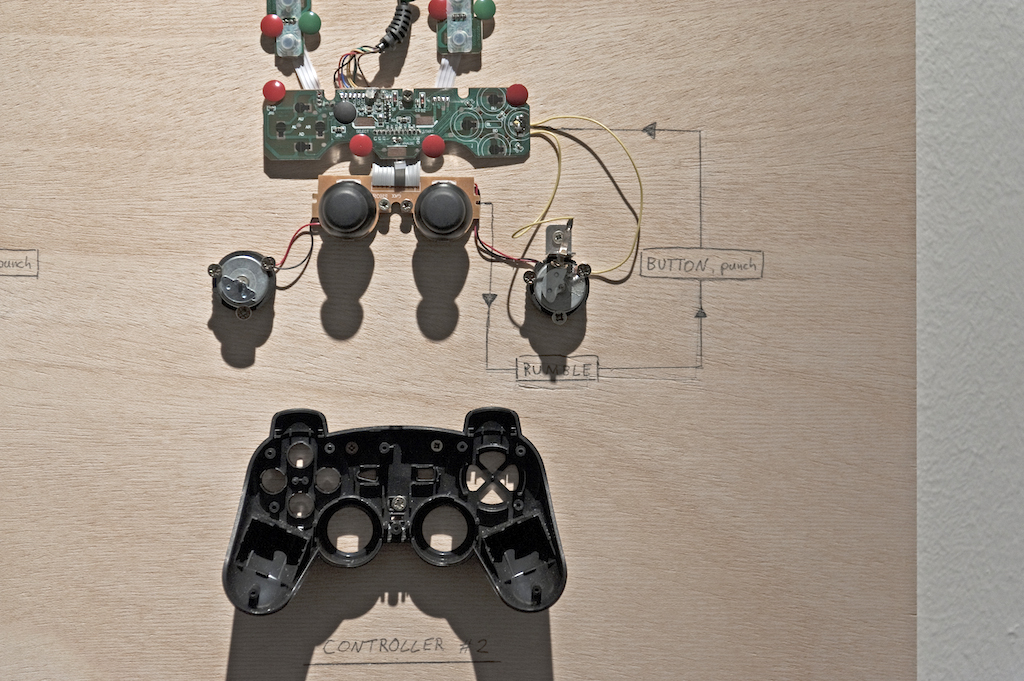
In the experiment feedback #1 two game controllers of a fighting game are modified. The vibration feedback of the controller are used to create two closed feedback loops. The vibration motor of each controller is linked with the PUNCH button of the controller. As soon the setup gets a start impulse by pressing one PUNCH button the system plays itself. In 2013 Paidia Laboratory: Feedback was part of the game exhibition “Computerspielen - perspectives of play” in Dortmunder U, Dortmund. ...
Paidia Institute is part of the exhibition and panel programme of Next Level Conference 2011. As part of the conference, Paidia Institute takes part in Cologne’s Long Night of Museums 2011 as well.
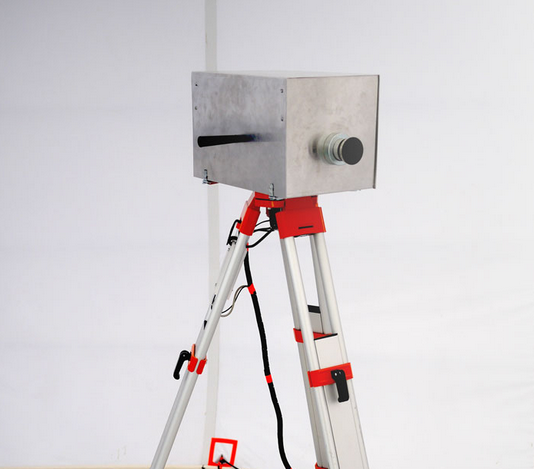
The Solar Wind Periscope is an artistic instrument visualizing atmospheric conditions that depend on space weather. It uses a radio receiver to measure HF radio signal range and relies upon a global network of amateur HAM-radio stations known as WSPRnet. It was developed for The Weather Tunnel Project at Translife Triennial 2011 and is part of an ongoing inquiry into weather beyond earth. The project was developed together with Lasse Scherffig More info at: pixelsix.net/swp ...
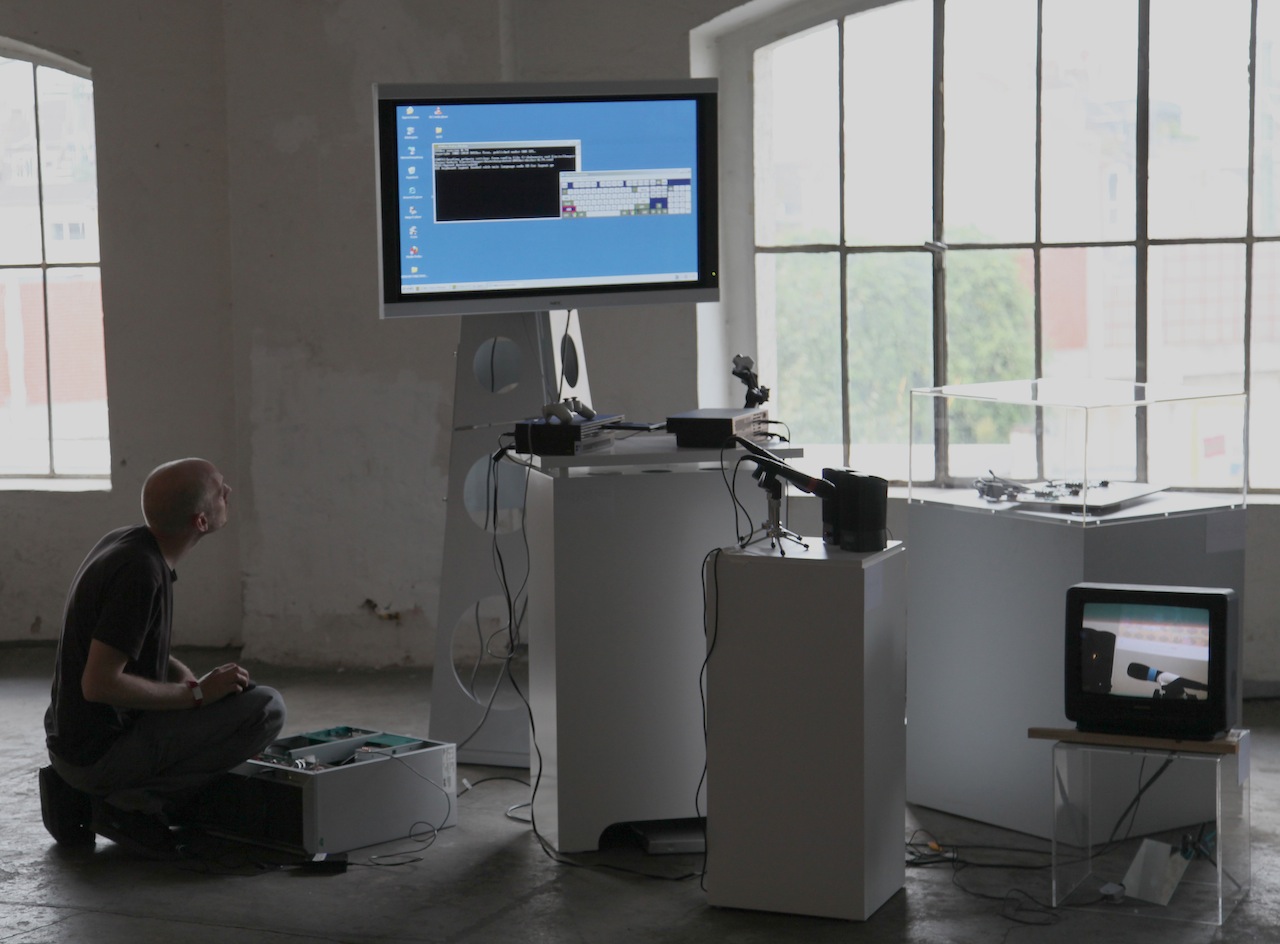
Paidia Feedback Laboratory examines computer games as closed feedback systems, as servomechanisms or control chains that may or may not involve human elements. In an ongoing series of artistic experiments the feedback behaviour of games is studied and put in new contexts through modifications of hardware and software, creating an open structure of artifacts, schematics and patterns. The focus lies not on the usability of games, but rather on an archeology of interaction – determining the limits and boundaries of games in order to understand the media specific characteristics of computer games and the spaces they create. ...
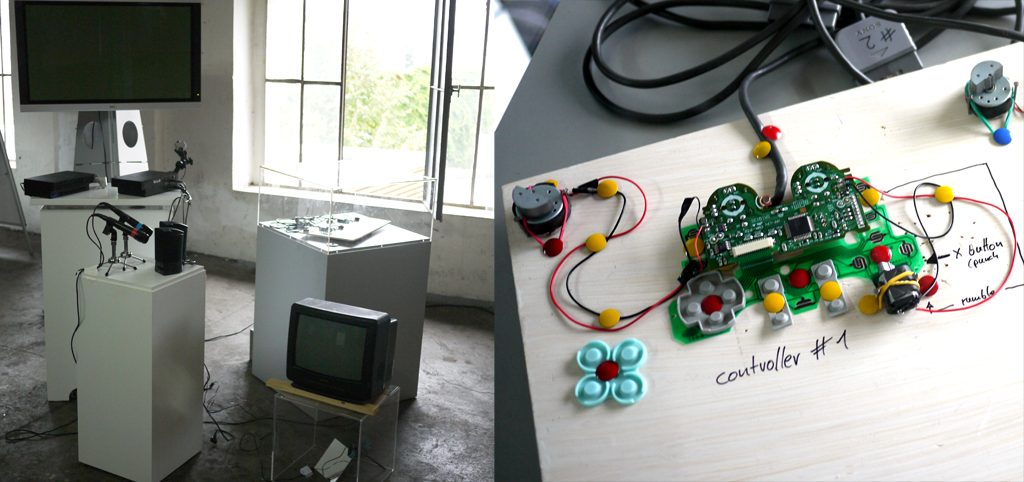
Paidia Institute will be part of the Platine 2011 (Cologne, August 15th-19th) with the Paidia Laboratory: Feedback.
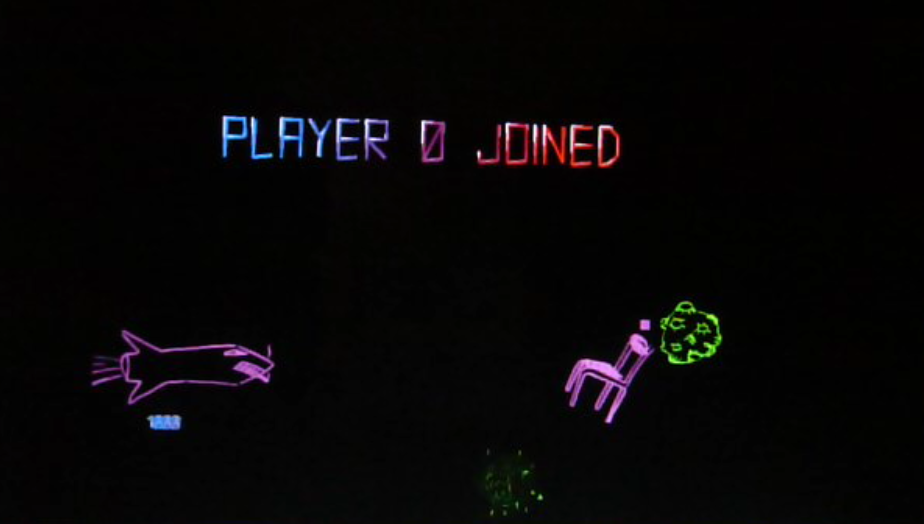
Eight+ is a synaesthetic user-generatedcontent-post-new-rave-multiplayer-shooter in 2D. Eight+ is an anarchic mix of rhythm, action, sounds and visuals provoking the conventions of standardized content and feedback loops in computer games. In this multiplayer game, players shoot at objects drawn live by other players. The longer they interact, the more distortion emerges. The borders between parties blur as ever more content is created and destroyed. The installation explores the social behaviors of groups as well as the limits of game design. ...
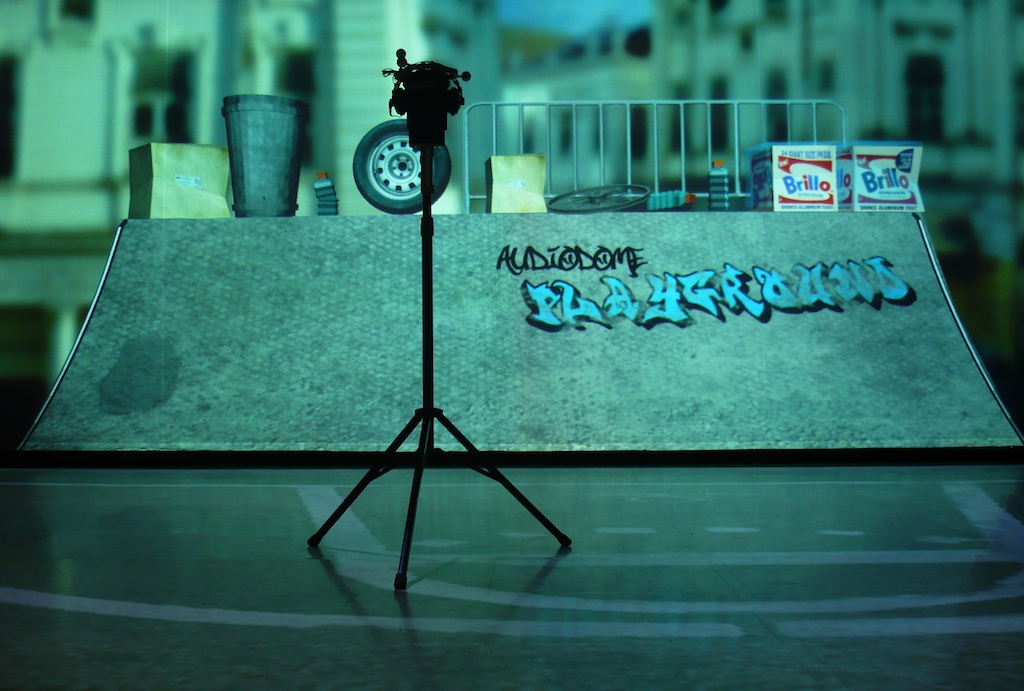
In the period 2008-2009 I was part of the Audiodome Playground research group at Animax Multimedia Theater in Bonn. The goal of the research was the development of playful and interactive environments for a front/floor projected stage with a spatial sound system. Through a marker based rigid body video tracking system the movement of a person on stage could be tracked and used for interaction with the projections. During my stay I developed a couple of small playful miniatures to determine the possibilities of the system. ...
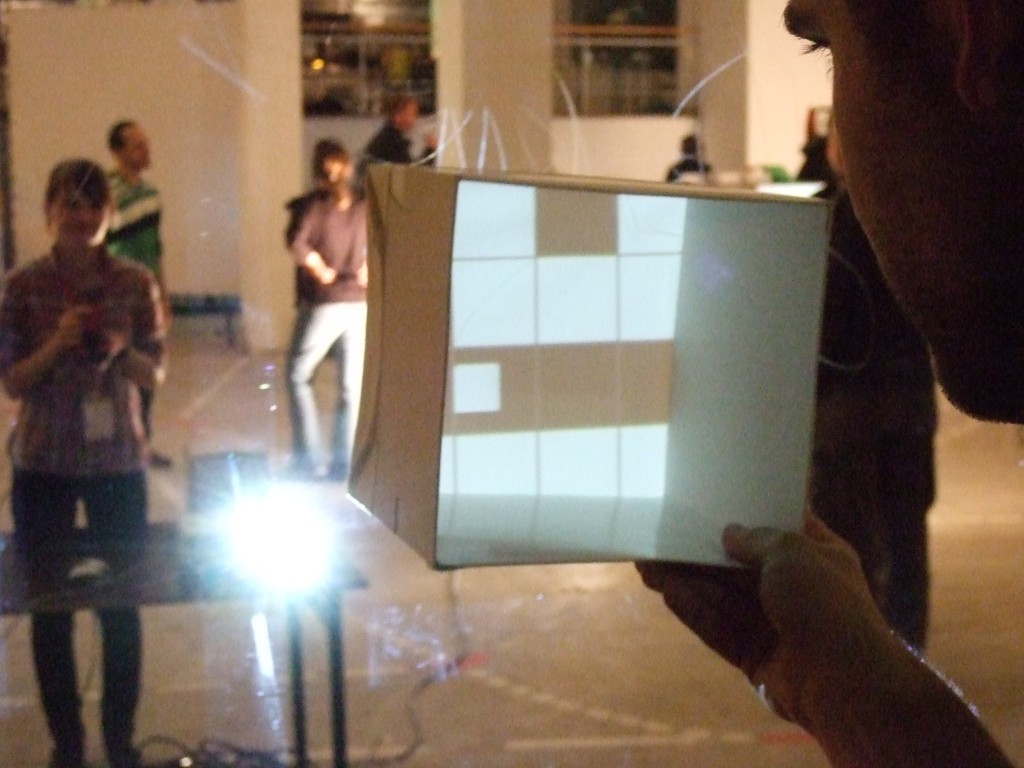
iobox is an experimental game, developed during the Play08 (play08.de) Festival in Potsdam, Germany by Creative Gaming Lab08: Jonas Hansen (Cologne) Karin Lingnau (Cologne), karinlingnau.com Leif Rumbke (Hamburg), rumbke.de Marek Plichta(Potsdam), marek.monoid.net